
BIOGRAPHY
Born in 1984 and raised in Hackney, East London, Joshua’s upbringing was rooted in a rich blend of cultures.
His father is of Eastern European Jewish descent, and his mother immigrated from the Philippines. He learnt Hebrew at school, attended synagogue with his father, and joined Afro-Caribbean Evangelical church services with his mother — experiences that shaped his deep appreciation for cultural and spiritual diversity.
Joshua grew up in Clapton, a corner of Hackney uniquely poised between contrasting worlds — Stamford Hill, home to Europe’s largest Orthodox Jewish community; the green expanse of Hackney Marshes; and the notorious ‘Murder Mile,’ then synonymous with gang violence and crime.


From an early age, Joshua’s fascination with nature was unmistakable; he could often be found birdwatching or quietly observing a spider weaving its web for hours on end.
Despite being in the heart of the city, the area teemed with life — foxes roamed the gardens, while frogs and newts thrived in the marshes’ stagnant pools. Even rare birds would appear from time to time, offering fleeting glimpses of untamed nature against the backdrop of Hackney’s urban sprawl.
As early childhood came to an end, Joshua had already tracked down almost every bird listed in the British species guide — a hobby that stayed with him and eventually grew into a lifelong love of observing and photographing wildlife.
One of Joshua’s most vivid childhood memories comes from Springfield Park, where summer afternoons turned into the epic pitch battles that defined those early years. He and a small group of friends would take on much larger teams of Orthodox Jewish kids — twenty or thirty strong — who arrived in suits and smart shoes, some of them surprisingly skilful despite the pious attire. Outnumbered but never outgunned, Joshua’s team left the pitch beaten by overwhelming odds — yet with a sense of triumph for having played their hearts out. Those football matches lingered as chance encounters that somehow captured the real spirit of Hackney.
As he grew older, Joshua drifted into Hackney’s underground music world — pirate radio, raves and the counterculture — while at the same time nurturing a curiosity for science and the hidden mechanisms of the natural world.

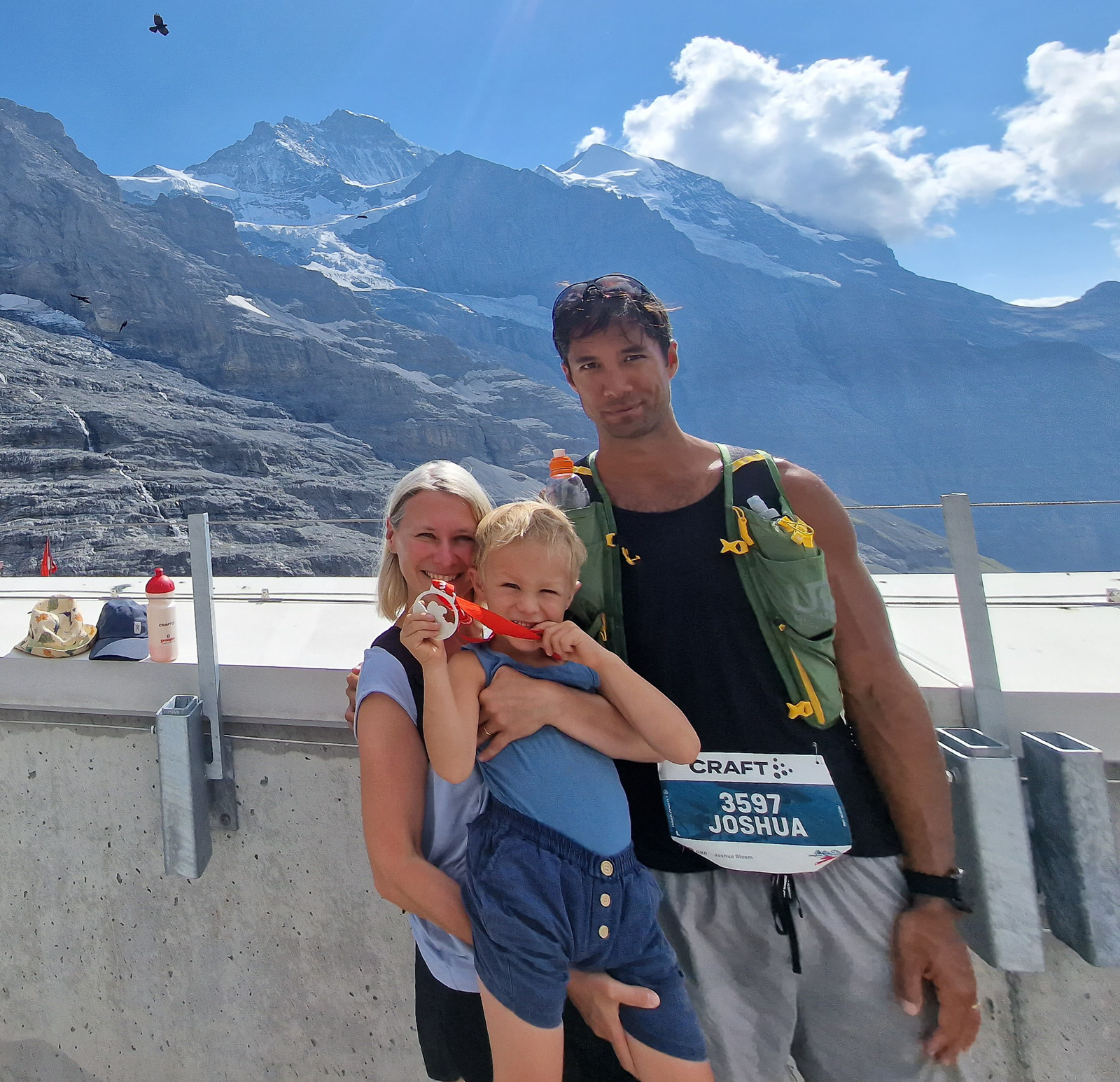
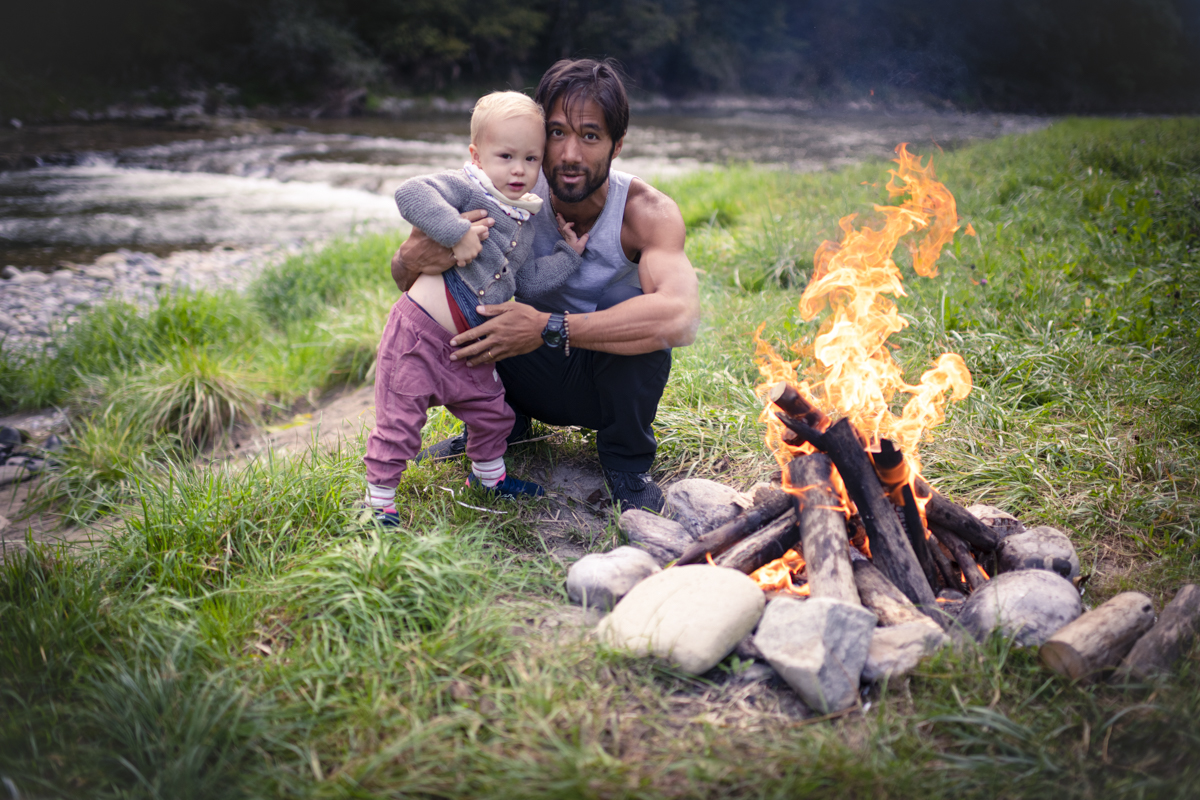
Joshua is also a husband and father currently living with his family in Zurich Switzerland where he works in a fintech company rolling out bespoke AI solutions. He enjoys cooking world cuisine as well as running along the river and forest by his home and birdwatching.
Why Photography?
While travelling through the backwaters of Kerala in South India on a traditional bamboo-wicker rice barge, Joshua witnessed an unforgettable moment. An osprey — a majestic fish eagle — suddenly swooped down just a few metres in front of him, snatching a large, unsuspecting fish from the still water. With powerful wingbeats, it rose skyward, searching for a perch on which to enjoy its catch. Mid-flight, it deftly twisted the writhing fish in its talons so that the fish faced forward — a masterful adjustment to reduce drag and maximise aerodynamics.
He stood awestruck, yet instinct took over as he fired off shot after shot with his compact point-and-shoot camera. When the bird finally disappeared from sight, he eagerly reviewed the images, expecting a frame worthy of Wildlife Photographer of the Year.
To his dismay, the photos were dreadful. The osprey had swept past within five metres, yet the result was little more than a feathered blur — indistinguishable from a pigeon. Determined to do better, he went straight to the nearest city and spent everything he had on a Nikon D80 digital SLR camera. That decision marked the true beginning of his passion for nature photography


Why Macro?
Photographing landscapes meant Joshua’s camera often stayed in his pack for most of the day, only coming out for the brief windows of golden light at sunrise and sunset. Carrying a heavy load of gear for hours between those moments gradually began to feel more like burden than adventure.
Then, during a 2011 trip to Jerusalem, everything shifted. While setting up a panoramic shot from the Mount of Olives, a robber fly landed beside him — a mosquito clasped in its proboscis. He snapped a photo with his landscape lens almost without thinking, and the unexpected detail stopped him in his tracks. That tiny encounter ignited his fascination with the world of macro.
Back home, he discovered he could reverse his portrait lens to capture striking close-ups in the field. His hikes quickly found a new rhythm: landscapes at sunrise and sunset, and the hidden insect worlds in between. Curiosity pulled him deeper. Over the months that followed — part research, part trial and error, and countless hours crawling through meadows — he built a custom macro setup capable of extreme magnification and remarkable clarity.
At these magnifications, the depth of field shrinks to almost nothing — sometimes barely half a millimetre. To create a complete image, Joshua would move the camera forward in tiny increments, taking dozens of frames. A single ultra-macro photograph might contain 50 to 150 separate images, each contributing a razor-sharp sliver to the final composite.